

Quick Answer / Top Pick Snapshot
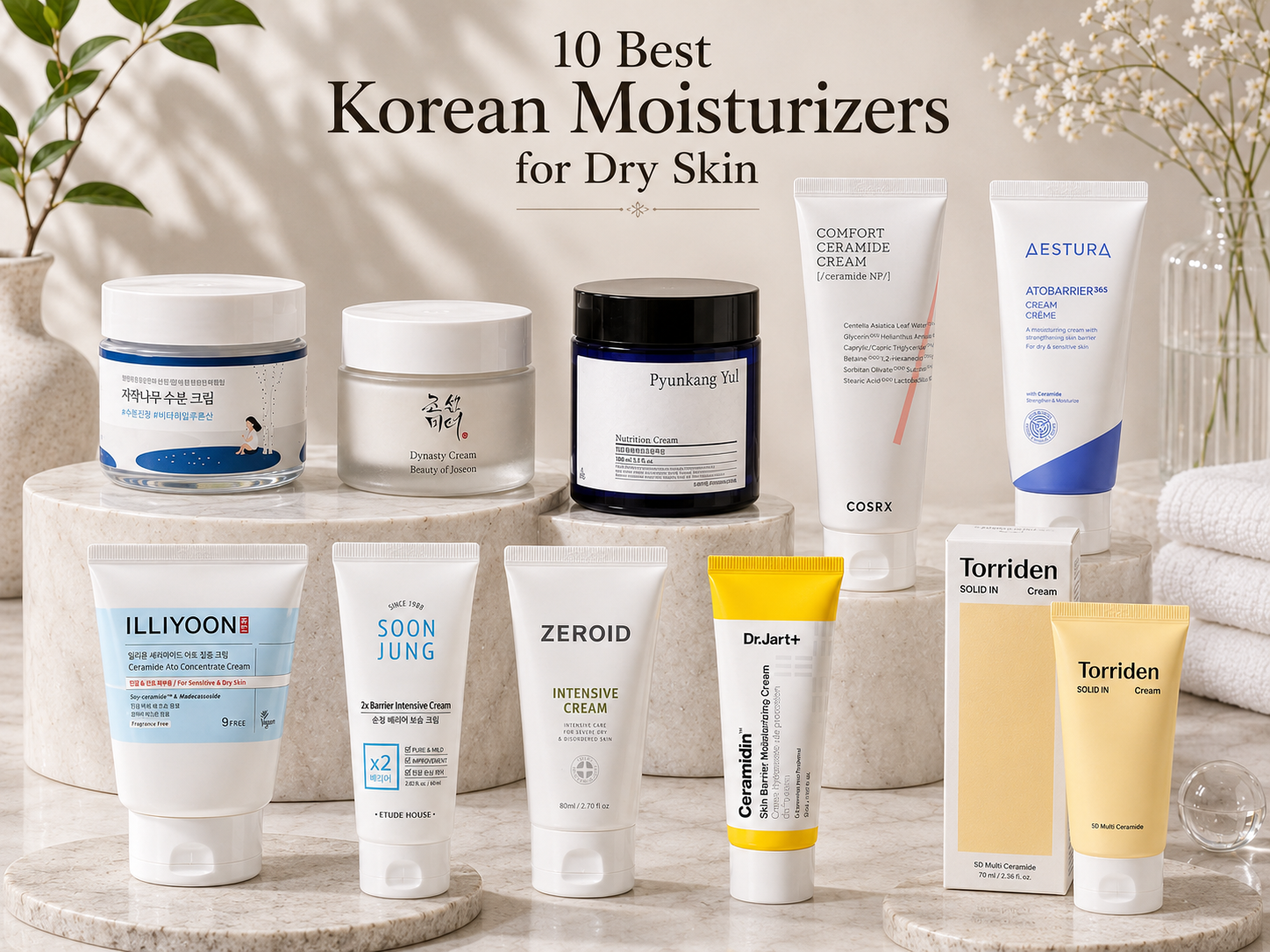
If your skin feels tight an hour after washing, flakes around the nose, or just never seems to hold onto moisture, the Korean moisturizers that actually help share one thing: a real ceramide or barrier-lipid profile, not just a pretty jar. Aestura Atobarrier 365 Cream is the strongest all-around pick for barrier-compromised dry skin. It comes from Amorepacific’s dermatology line and leans on ceramide NP, panthenol, and madecassoside instead of fragrance or filler.
A few others worth knowing before you scroll further:
- Best Overall: Aestura Atobarrier 365 Cream, dermocosmetic-grade barrier repair
- Best Budget: Illiyoon Ceramide Ato Concentrate Cream, six-ceramide complex at a fraction of the price
- Best for Very Dry / Eczema-Prone Skin: Zeroid Intensive Cream, ceramide-cholesterol-fatty acid ratio modeled on the skin’s own lipids
- Best Lightweight Option: Round Lab Birch Juice Moisturizing Cream, a gel-cream for people who find rich creams suffocating
This guide is for people with genuinely dry or barrier-compromised skin: flaking, tightness, roughness, winter misery. Not for people chasing a “glow” trend. If that’s you, keep reading.
Comparison Table
| Product | Best For | Key Ingredients | Texture | Fragrance | Dryness Level |
|---|---|---|---|---|---|
| Aestura Atobarrier 365 Cream | Best Overall / Barrier Repair | Ceramide NP, Panthenol, Madecassoside | Rich cream | Fragrance-free | Very dry |
| Illiyoon Ceramide Ato Concentrate Cream | Best Budget Option | 6-Ceramide Complex, Shea Butter | Thick cream | Low fragrance | Dry–very dry |
| Etude SoonJung 2x Barrier Intensive Cream | Best for Sensitive Skin | Panthenol, Madecassoside, Ceramide | Soft cream | Fragrance-free | Dry, reactive |
| Zeroid Intensive Cream | Best for Very Dry / Eczema-Prone | Ceramide, Cholesterol, Fatty Acids | Dense cream | Fragrance-free | Very dry |
| Dr. Jart+ Ceramidin Skin Barrier Moisturizing Cream | Best Widely Available | 5-Ceramide Complex, Glycerin | Medium cream | Low fragrance | Dry |
| Round Lab Birch Juice Moisturizing Cream | Best Lightweight Option | Birch Sap, Hyaluronic Acid | Gel-cream | Fragrance-free | Mild–moderate dry |
| Beauty of Joseon Dynasty Cream | Best for Mature / Very Dry Skin | Ginseng, Snail Mucin, Niacinamide | Rich cream | Light fragrance | Very dry, mature |
| COSRX Balancium Comfort Ceramide Cream | Best Fragrance-Free Option | Ceramide NP, Centella, Glycerin | Creamy gel | Fragrance-free | Dry, sensitive |
| Torriden SOLID-IN Ceramide Cream | Best for Combination-Dry Skin | Ceramide, Squalane, Panthenol | Medium cream | Fragrance-free | Combination-dry |
| Pyunkang Yul Nutrition Cream | Best Minimalist Formula | Squalane, Shea Butter, Beeswax | Balm-cream | Fragrance-free | Dry, minimalist |
← Swipe left or right to compare all products →
Read “Best For” and “Dryness Level” together, not separately. A product built for “very dry” skin isn’t automatically right for you if your real complaint is reactivity rather than tightness. If your skin flags easily, start with the fragrance-free options: Zeroid, COSRX Balancium, Etude SoonJung, or Pyunkang Yul.
Methodology — How We Chose These Products
These ten were shortlisted using ingredient transparency, ceramide or barrier-lipid content, fragrance status, US availability, and real-user feedback from communities like r/AsianBeauty and r/SkincareAddiction, weighed against price tier.
To be upfront: none of these were clinically tested for this guide. Claims about texture and ingredients come from brand-published formula information, plus patterns in how real users describe wearing these creams day to day. Where a claim comes from the brand rather than independent evidence, that’s flagged directly in the text below rather than blended in as fact.
The 10 Best Korean Moisturizers for Dry Skin
1. Aestura Atobarrier 365 Cream
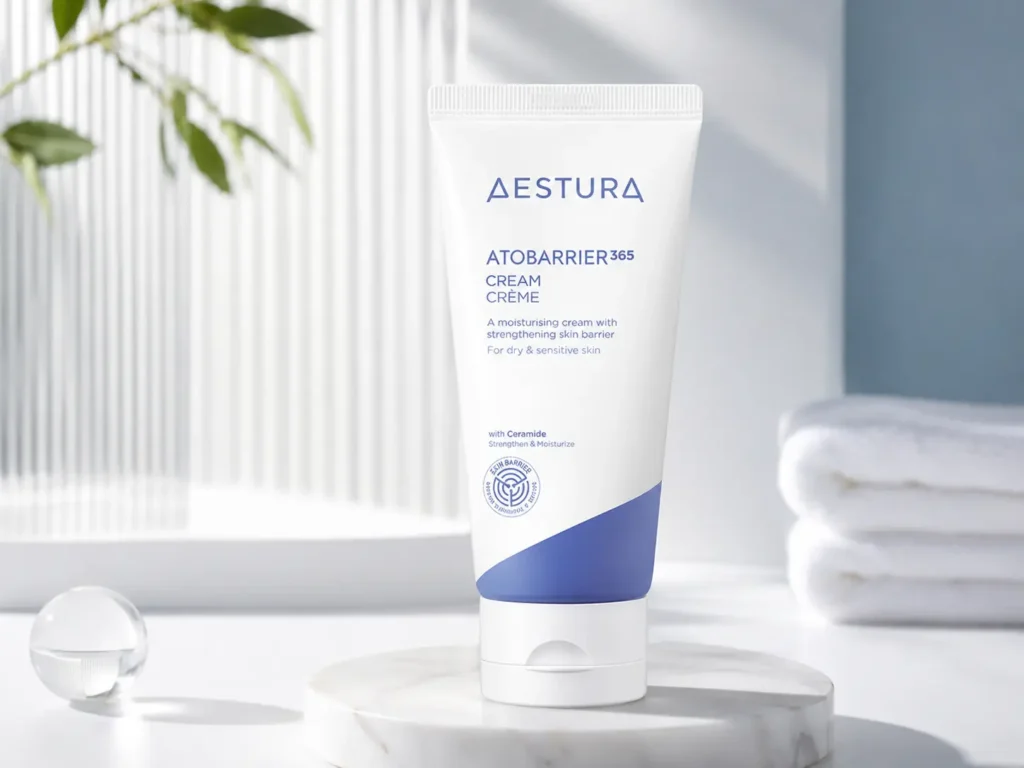
Aestura is Amorepacific’s dermatology-focused line, built around ceramide NP paired with madecassoside and panthenol. That’s an anti-inflammatory, barrier-repair combination, not a “feels nice” formula. It absorbs at a moderate pace and sits fine under makeup once it’s fully settled, without the greasy film some rich creams leave behind.
The catch is price. It costs more than most of the other picks here, and if your dryness is mild, that premium probably isn’t worth it. But for skin that’s genuinely barrier-compromised, persistent redness, flaking, stinging when you apply almost anything, this is the one worth spending on. Skip it if you just want a basic daily moisturizer; cheaper options on this list handle that fine.
2. Illiyoon Ceramide Ato Concentrate Cream
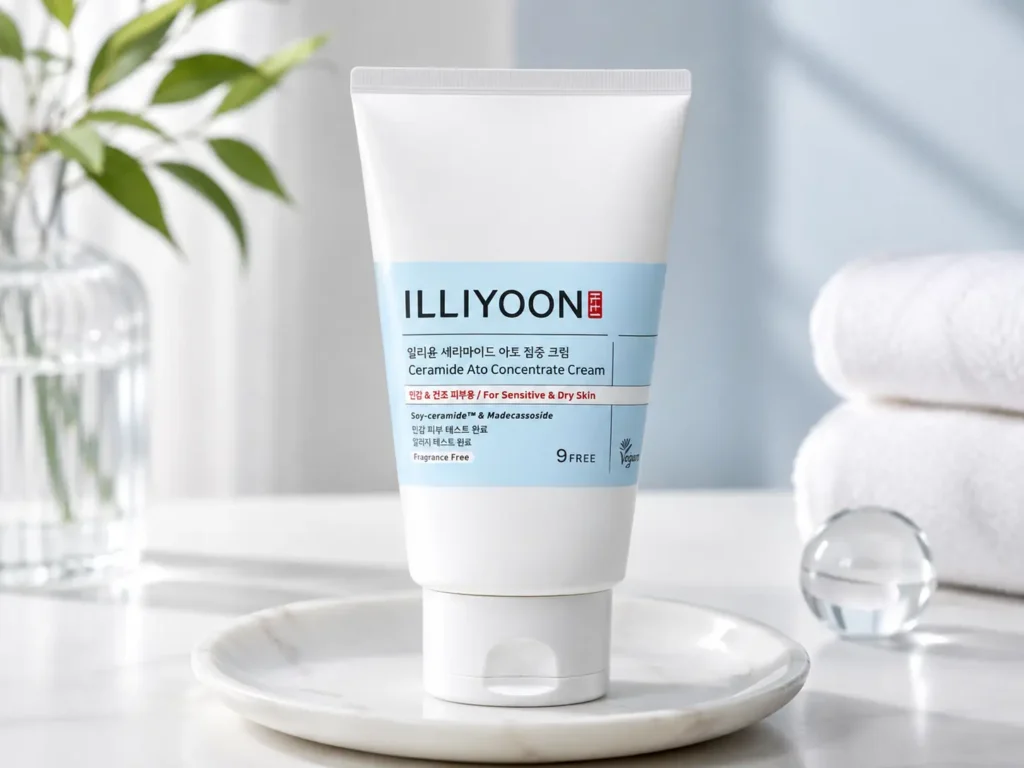
“Ato” in Korean skincare branding usually signals a formula developed with atopic (eczema-prone) skin in mind, and Illiyoon leans into that with a six-ceramide complex plus shea butter. It comes in a large jar, and the price per gram undercuts nearly everything else on this list.
The trade-off is texture: thicker and slower to absorb than Aestura or Dr. Jart+, and a few Reddit users have mentioned it feeling heavy under makeup. For nighttime use, or for anyone whose priority is stretching a budget while still getting real ceramide content, that heaviness is a fair price to pay.
3. Etude SoonJung 2x Barrier Intensive Cream
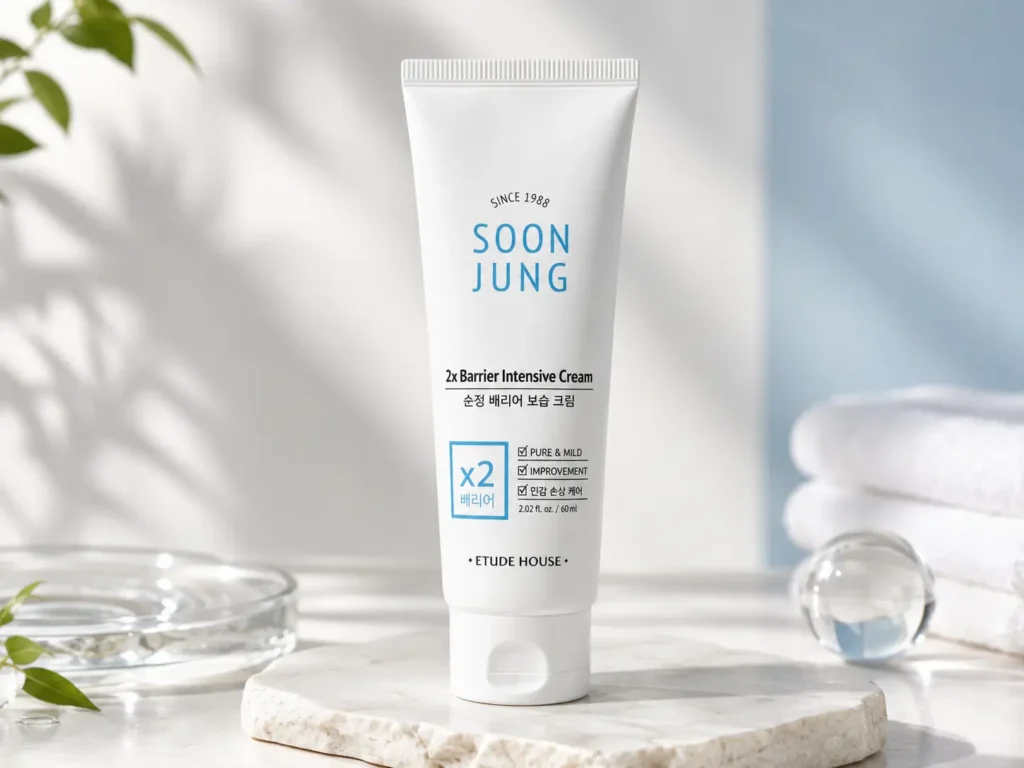
SoonJung is Etude’s sensitive-skin line. This cream centers on panthenol and madecassoside, both calming, centella-derived ingredients, alongside ceramide. It’s fragrance-free with a short ingredient list, which matters more than a spec sheet suggests once your skin is already reactive.
This is the pick for people whose problem isn’t just “dry” but dry-and-easily-irritated: post-retinoid barrier damage, rosacea-adjacent redness, skin that reacts to half of what you try on it. If your skin tolerates most things fine and you want maximum richness instead, this softer cream might not feel intensive enough in peak winter.
4. Zeroid Intensive Cream
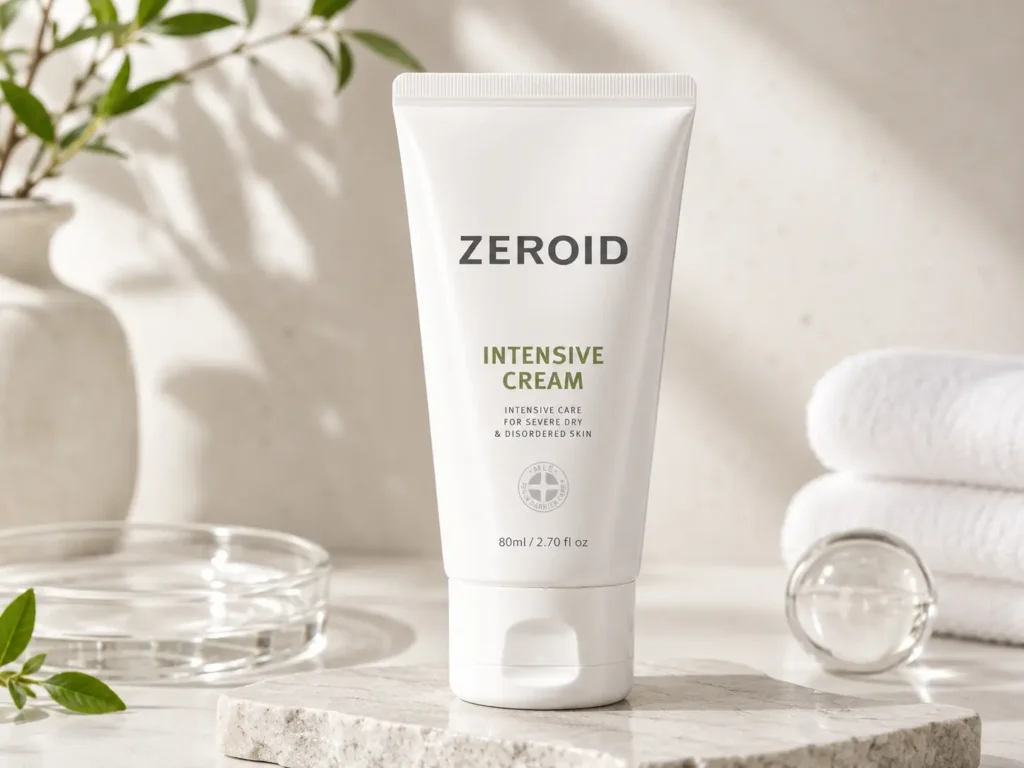
Zeroid comes from JW Pharmaceutical, and the formula is built around a ceramide, cholesterol, and fatty-acid ratio meant to echo the skin’s own lipid composition. That’s similar logic to some prescription-adjacent barrier creams. It’s positioned for very dry and eczema-adjacent skin, though it’s worth treating as a cosmetic moisturizer rather than a medical treatment for eczema itself.
It’s dense enough that most people will want it at night or in peak winter rather than under makeup during the day. If your skin is genuinely struggling, flaking, cracking, that raw feeling, this is one of the stronger options here. For “normal dry” skin, it may just be more than you need.
5. Dr. Jart+ Ceramidin Skin Barrier Moisturizing Cream
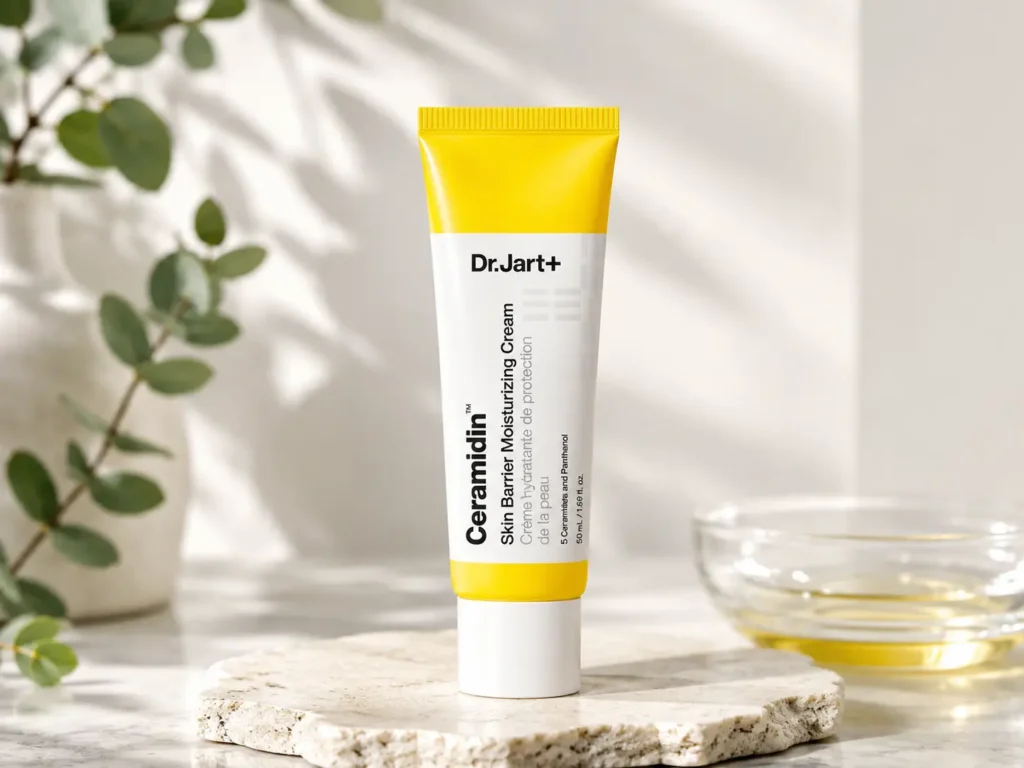
This is probably the easiest product on the list to actually go buy today. It’s sold at Sephora and Ulta across the US, which matters if you don’t want to deal with importing or international shipping. The 5-Ceramide Complex is solid, and the texture sits in a comfortable middle: rich enough to matter without fighting the rest of your routine.
It’s a reasonable “first Korean moisturizer” if you’re testing whether the ceramide-heavy approach even works for your skin before committing to something pricier or richer. The trade-off is that it’s a generalist. It doesn’t specialize the way Zeroid or Etude SoonJung do for more specific concerns.
6. Round Lab Birch Juice Moisturizing Cream
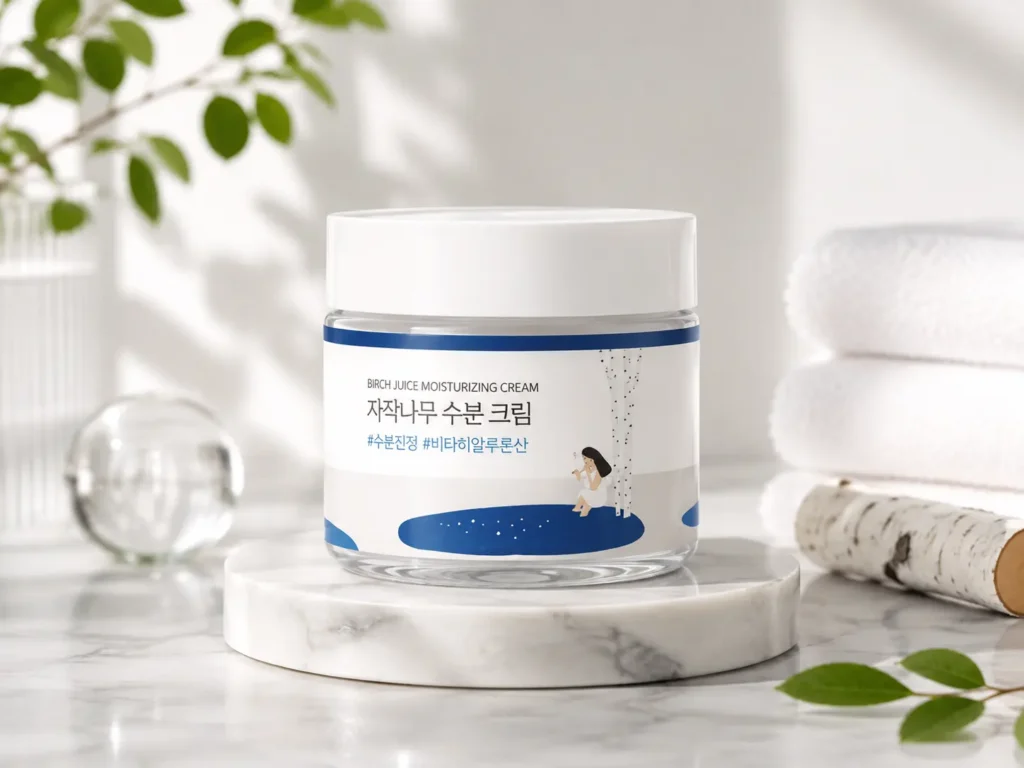
Round Lab built this around birch sap and hyaluronic acid, and the texture shows it: a gel-cream, closer to lightweight than rich. It works well in humid climates, under makeup, and for dryness that’s mild-to-moderate or combination-leaning rather than severe.
The honest limitation is that it’s less occlusive than the rest of this list. For genuinely dry, flaking skin, especially in winter, this alone probably won’t cut it. Treat it as a strong layering product or a warm-weather swap, not a standalone winter fix for very dry skin.
7. Beauty of Joseon Dynasty Cream
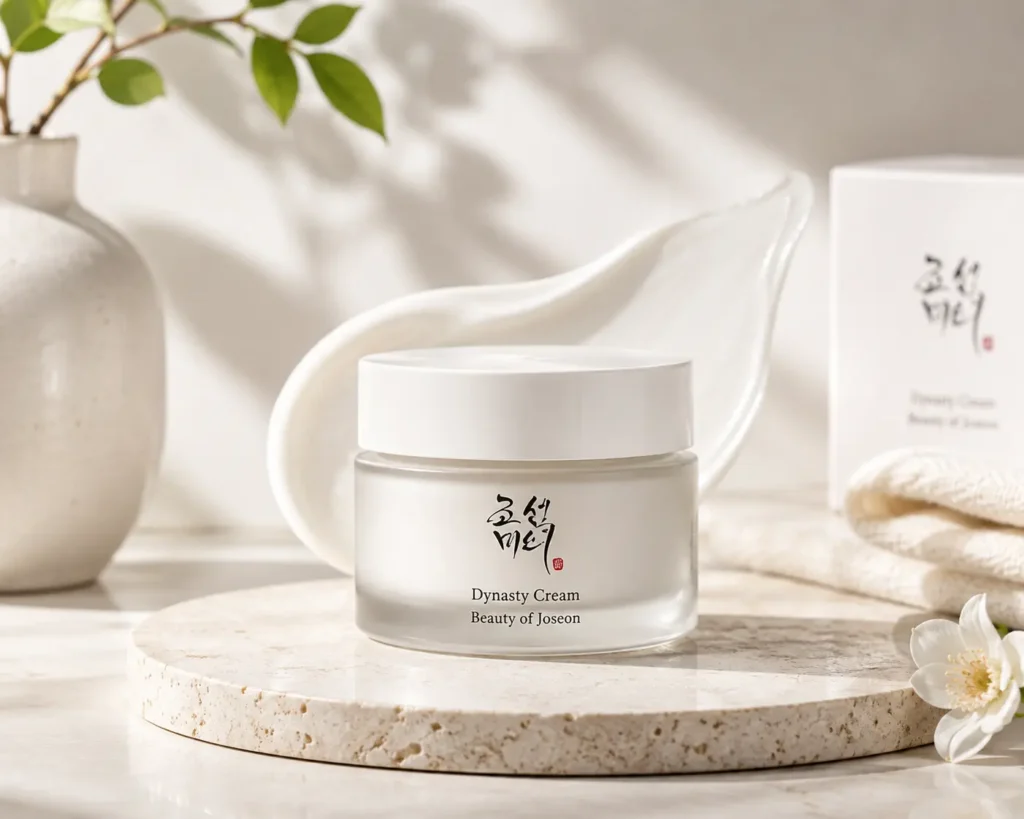
Beauty of Joseon has built its reputation on ginseng-forward formulas, and this cream pairs ginseng with snail mucin and niacinamide for a richer, more nourishing profile than most of the others here. It’s often positioned for mature skin dealing with dryness and fine lines together, which tracks with the ingredient mix.
One thing to flag: it contains light fragrance, unlike most of the fragrance-free options on this list. That’s a non-issue for most people, but worth knowing if you’re fragrance-avoidant or reactive. For very dry, mature skin without fragrance sensitivity, it’s one of the richer, more targeted picks here.
8. COSRX Balancium Comfort Ceramide Cream
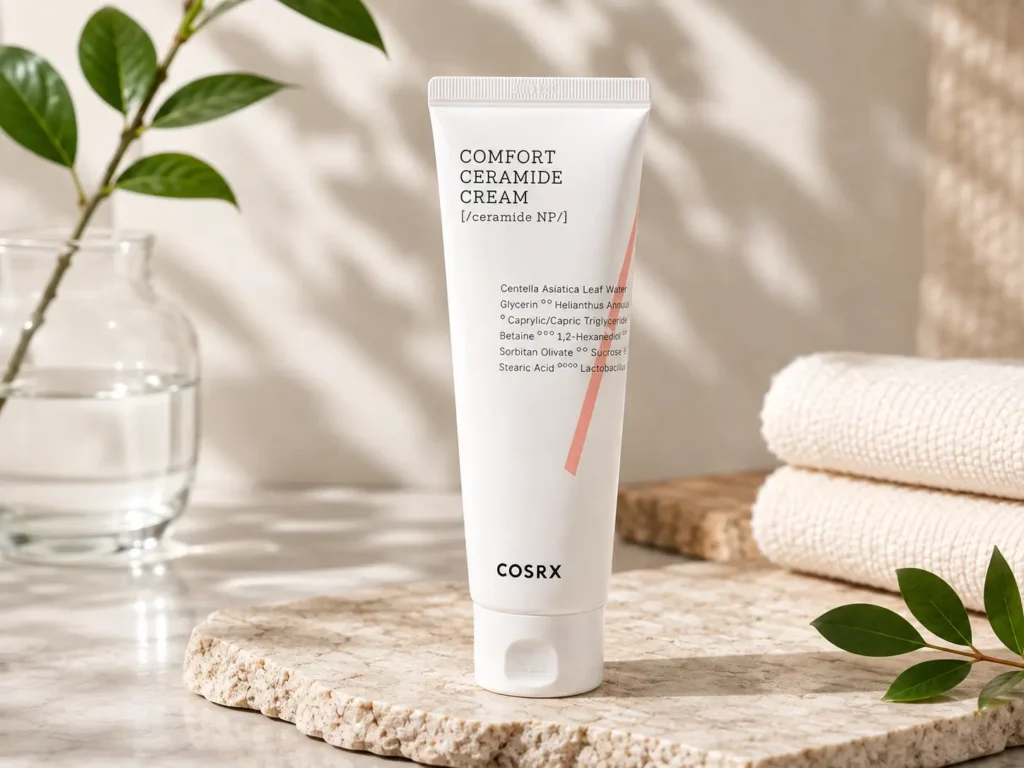
This sits texturally between the rich creams and the lightweight gel-creams: a “creamy gel” built on ceramide NP and centella. It’s fully fragrance-free, which makes it one of the safer starting points if you’re sensitized or avoiding fragrance across your whole routine.
It doesn’t try to be the richest or the lightest option here, and that’s arguably the point. It’s the balance pick for people who want real barrier support without either Zeroid’s heaviness or Round Lab’s thinness. If you already know you need maximum occlusion for severe dryness, this can feel like a compromise rather than a solution.
9. Torriden SOLID-IN Ceramide Cream
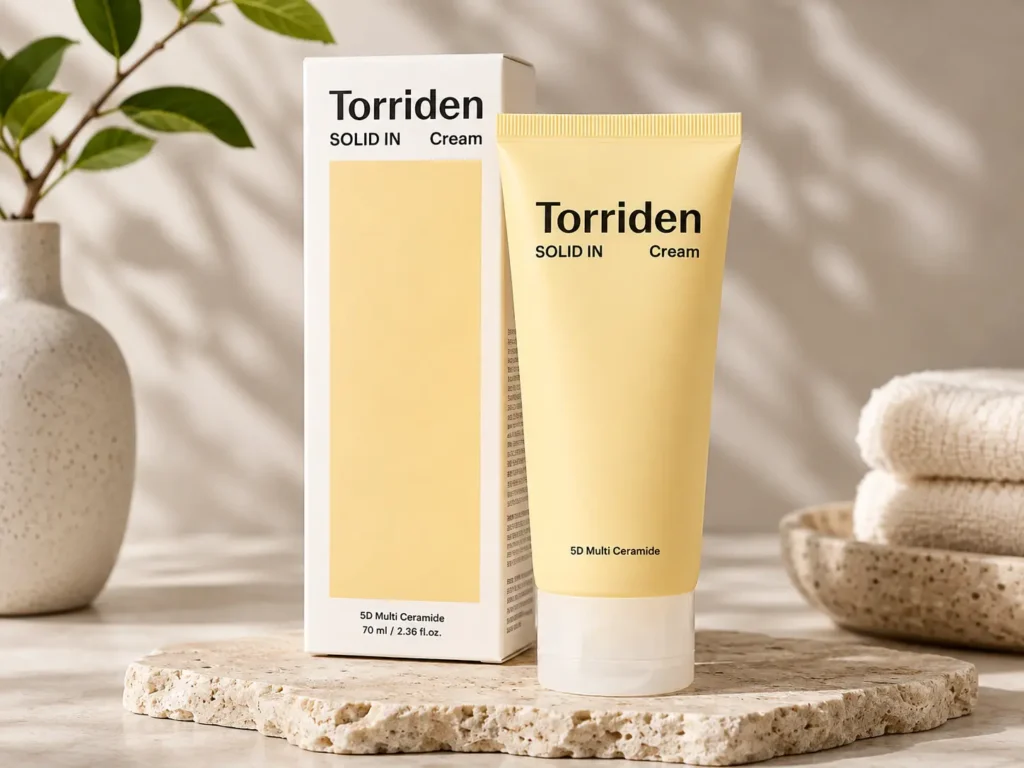
Torriden is newer to the US market than the other brands here, worth flagging since availability and stock can be less consistent. The formula combines ceramide, squalane, and panthenol in a medium-weight texture, a reasonable fit for combination-dry skin where cheeks run dry but the T-zone doesn’t need as much.
Because it’s less established here than Dr. Jart+ or COSRX, there’s simply less accumulated user feedback to go on. If your dryness is even across your whole face, one of the more specialized options above may serve you better. If it’s uneven, this is worth trying.
10.Pyunkang Yul Nutrition Cream
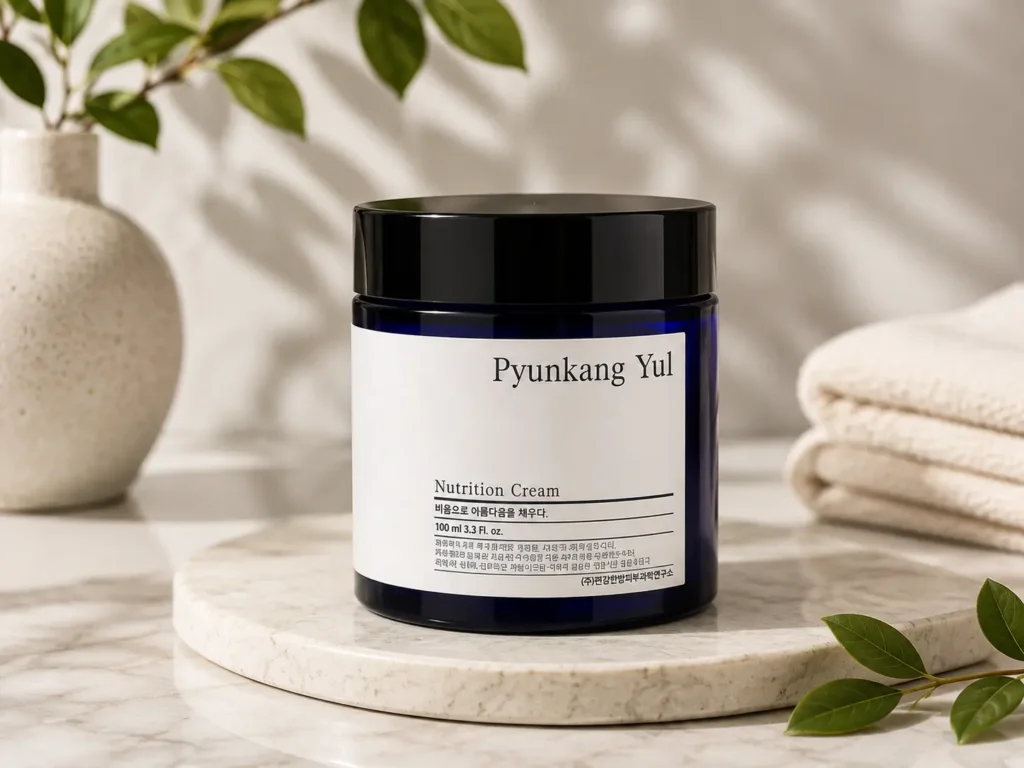
Pyunkang Yul’s whole identity is minimalism, and this cream reflects it: a short ingredient list built around squalane, shea butter, and beeswax rather than a long actives lineup. The finish is balm-like, which some people love and others find too heavy in warm, humid weather.
This is the pick if you specifically want to avoid a long ingredient list and lower your odds of an irritant reaction through sheer simplicity. It’s not the one to reach for if you live somewhere hot and humid most of the year; the balm finish can feel like too much outside of cold, dry conditions.
Ingredients & Skin-Barrier Basics That Actually Matter Here
Dry Skin vs. Dehydrated Skin
These two terms get used interchangeably, and they shouldn’t be. Dry skin is a skin type: it produces less natural oil, and that’s a relatively stable, long-term trait. Dehydrated skin is a temporary lack of water, and it can happen to any skin type, including oily skin. You can have oily, dehydrated skin at the same time. If you’re unsure which you’re dealing with, dry skin tends to feel rough and flaky consistently, while dehydrated skin often looks dull or feels tight but can improve fairly quickly with the right hydrating layers.
How Barrier-Support Ingredients Work
Most of the products above work through a combination of three ingredient categories, plus ceramides specifically.
Humectants (hyaluronic acid, glycerin, birch sap) pull water into the skin, but they need something to seal that water in or it evaporates back out. Emollients (squalane, fatty acids) smooth and soften the surface without necessarily sealing anything in. Occlusives (shea butter, beeswax) form a layer that reduces transepidermal water loss, or TEWL: the technical term for water evaporating out through the skin.
Ceramides, like Ceramide NP or AP, are lipids that make up a large part of the stratum corneum, the skin’s outermost layer. When that lipid matrix is depleted, from age, harsh cleansing, cold weather, or conditions like eczema, skin loses its ability to hold water and defend against irritants. Ceramide-containing moisturizers aim to replace what’s missing, which is why nearly every product on this list contains them.
Ingredients to Look For vs. Approach with Caution
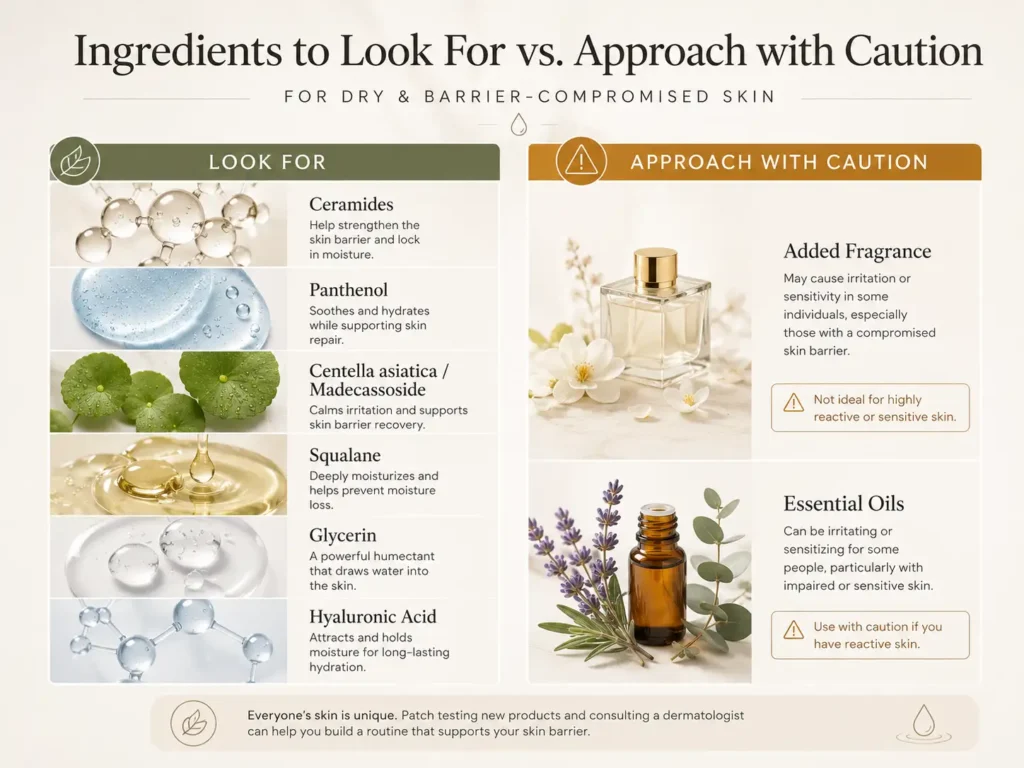
Look for ceramides, panthenol, centella asiatica or madecassoside, squalane, glycerin, and hyaluronic acid. These have a reasonably solid, unglamorous track record for dry or barrier-compromised skin.
Approach with more caution: added fragrance and essential oils. Neither is universally bad; most people tolerate them fine. But if your skin is reactive, eczema-prone, or you’ve been burned by skincare before, fragrance-free formulas (Zeroid, COSRX Balancium, and Pyunkang Yul among them) are the safer starting point.
Climate & Seasonal Guide
Texture matters as much as ingredients, and it depends heavily on where you live and what season it is.
Winter, indoor heating, and cold-dry climates call for richer creams: Aestura, Zeroid, and Beauty of Joseon are built for this. Indoor heating strips moisture from the air just as aggressively as outdoor cold does, so don’t assume you’re safe just because you’re inside.
Summer and humid climates usually do better with gel-creams and lighter textures, like Round Lab and Torriden. A rich cream in July humidity can feel suffocating and may contribute to congestion for some skin types.
Air-conditioned offices and shoulder seasons sit in between; medium-weight creams like Dr. Jart+ or COSRX Balancium tend to work without over- or under-delivering.
If you only buy one moisturizer a year, pick based on your harshest season, not your mildest one. A rich winter cream can always be applied thinly in summer, but a light summer gel-cream usually can’t be pushed to do a winter cream’s job.
Which One Should You Choose? Matching by Concern
- Very dry or flaking skin: Zeroid, Aestura, or Beauty of Joseon
- Sensitive or reactive skin: Etude SoonJung or COSRX Balancium
- Budget-conscious: Illiyoon
- Lightweight or under makeup: Round Lab or Torriden
- Fragrance-free requirement: Zeroid, COSRX Balancium, or Pyunkang Yul
If you fit more than one category, say, very dry and fragrance-sensitive, Zeroid and COSRX Balancium cover both at once.
How to Use a Korean Moisturizer Correctly
Apply moisturizer to skin that’s still slightly damp, right after toner or essence, instead of waiting until your face fully dries. This isn’t a Korean-specific trick; the American Academy of Dermatology recommends the same approach for any moisturizer, since it can help trap water at the skin’s surface.
Moisturizer typically goes near the end of your routine, before sunscreen in the morning. You can wear sunscreen over these creams once they’ve absorbed; give it a minute or two rather than layering right away.
For frequency, twice daily is standard for genuinely dry skin, and it’s reasonable to use more product or switch to a richer formula in winter, then ease off in summer. There’s no fixed rule here. Let how your skin actually feels guide the adjustment, not a schedule.
A note on patch testing: apply a small amount of any new product to your inner arm or jawline for a few days before using it on your whole face, especially if your skin is sensitive or eczema-prone. It won’t guarantee zero reaction, but it lowers the odds of finding out the hard way, on your whole face, that a product doesn’t agree with you.
What Reddit Users Say About Korean Moisturizers for Dry Skin
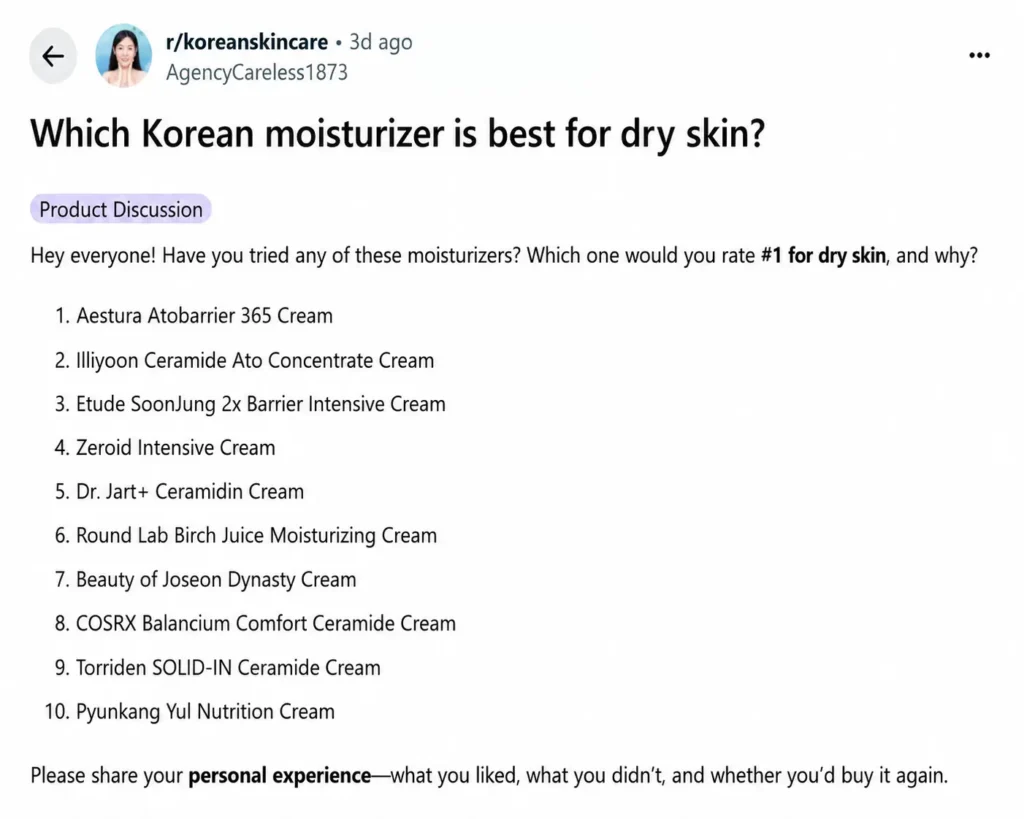
One commenter said the right pick really comes down to how your skin reacts to different textures, but ceramide-based creams have worked best for them personally, since they support the barrier instead of just delivering short-term hydration. Aestura and Illiyoon came up as the two most popular picks for colder months. Someone based in Canada with dry, sensitive skin said Illiyoon has worked amazingly on their skin. Another user with dehydrated, combination skin credited both Aestura and Illiyoon for a real improvement, describing the texture as occlusive and velvety, with capsulated ceramides and a semi-matte finish that doesn’t sit greasy
One reply went slightly off-list and recommended Round Lab’s Dokdo Cream instead, not one of the ten reviewed here, for very dry skin. It’s a good reminder that “best” still comes down to your specific skin, and there’s a wider world of options past any single roundup.

Frequently Asked Questions
Which Korean moisturizer is best for dry skin?
For most people with genuinely dry, barrier-compromised skin, Aestura Atobarrier 365 Cream is the strongest overall pick, thanks to its ceramide and madecassoside combination. Budget shoppers tend to do well with Illiyoon instead.
What’s the difference between dry and dehydrated skin?
Dry skin is a skin type with naturally lower oil production. Dehydrated skin is a temporary lack of water that can affect any skin type, including oily skin.
Can I use a gel moisturizer if I have dry skin?
Yes, especially in summer or humid climates, or if your dryness is mild-to-moderate. Round Lab Birch Juice is a reasonable gel-cream option, though very dry or flaking skin usually needs something richer, at least seasonally.
How often should I moisturize dry skin?
Twice daily is standard, morning and night, with the option to layer more or switch to a richer formula during winter.
What works best in winter vs. summer?
Richer creams like Aestura, Zeroid, or Beauty of Joseon for winter; lighter gel-creams like Round Lab or Torriden for summer and humid conditions.
Is Aestura Atobarrier 365 worth the higher price?
For genuinely barrier-compromised or very dry skin, most users find it worth the cost. For mild dryness, a cheaper ceramide-based option like Illiyoon or Dr. Jart+ may do the job for less.
Which pick is best if thick creams feel too heavy?
Round Lab Birch Juice Moisturizing Cream or Torriden SOLID-IN, both lighter, gel-leaning textures built for people who find rich creams suffocating.
Final Recommendation
If you only remember three names from this list: Aestura Atobarrier 365 for genuinely barrier-compromised or very dry skin, Illiyoon for anyone watching their budget without giving up real ceramide content, and Round Lab Birch Juice if rich creams have always felt like too much for your skin. Still not sure? The comparison table near the top of this guide is built to be scanned in under a minute. Match your skin’s dryness level and fragrance tolerance to a row, and you’ve got your answer.