

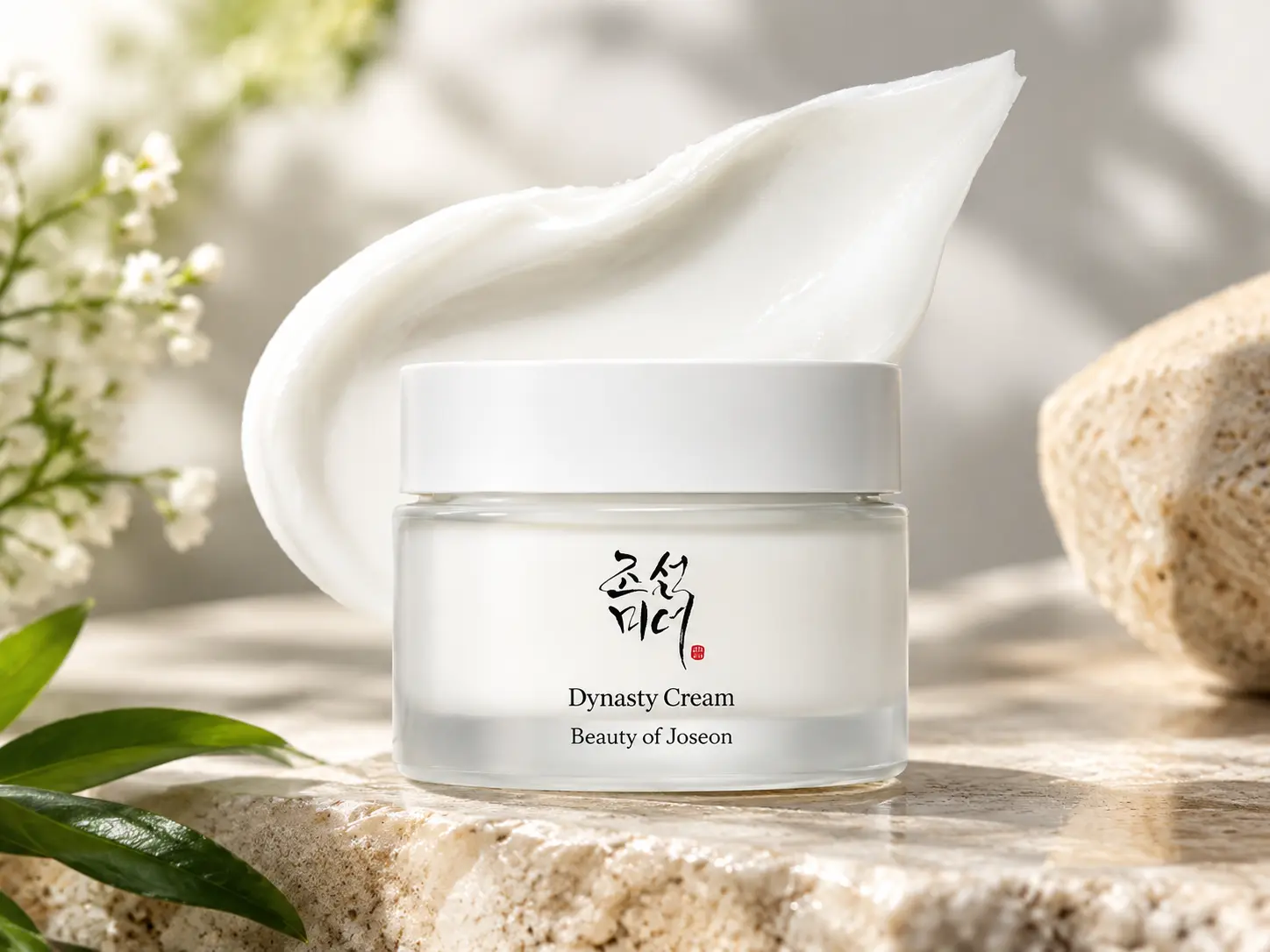
I keep getting asked whether Dynasty Cream still holds up, and honestly, most of what’s floating around online is stuck in 2019. The current version is a different animal from the one bloggers raved about years ago, so this beauty of joseon dynasty cream review looks at what’s actually in the jar now — texture, ingredients, who it suits, and whether it earns a spot in your routine.
Is Beauty of Joseon Dynasty Cream Good? (Quick Verdict)
Yes, with conditions. It’s a genuinely rich, ceramide-and-niacinamide moisturizer that does a solid job locking in hydration for dry and normal skin. It’s not the featherweight gel-cream some expect from a Korean brand, though. If your skin leans oily or you’re prone to clogged pores, this one deserves a patch test before you commit to a full jar.
What Is Beauty of Joseon Dynasty Cream?
Dynasty Cream is the brand’s flagship hanbang moisturizer, built around ingredients pulled from traditional Korean herbal medicine — ginseng root water and rice bran water are the headline players. Beauty of Joseon leans on this hanbang identity across its whole line, and Dynasty Cream is where that positioning shows up most directly, as a heavier, nourishing cream rather than a lightweight essence or serum.
Texture, Scent & First Application Experience
Scoop some out and it’s noticeably firm — almost balm-like at first touch. Some users describe a slightly stringy, tacky pull as you spread it, which softens within a minute as it warms on skin. There’s no added fragrance, just a faint, earthy herbal note from the plant extracts. Once it sets, it leaves a soft, dewy finish rather than a matte one. This isn’t a cream that disappears instantly; it sits on top briefly before sinking in, which is what gives it that “chok-chok” plumped feeling by morning.
Ingredients: What’s Actually in the Formula
The current, updated INCI list opens with water, rice bran water, glycerin, and ginseng root water, followed by niacinamide and squalane. Niacinamide helps with tone and oil balance, squalane mimics skin’s natural lipids to soften texture, and ceramide NP further along the list helps reinforce the skin barrier. Adenosine is in there too, working quietly on the skin’s resilience over time. Rounding things out are hyaluronic acid (in three forms), honey extract, and a cluster of hanbang extracts — coptis root, radish seed, lycium fruit — that lean more on traditional use than hard clinical data. None of these ingredients are aggressive actives, so the formula is built around steady, cumulative barrier support rather than fast, dramatic change.
Current Formula vs. the Older 2019 Version
Older reviews you’ll find online, including some still ranking well, were written about a formula that’s been discontinued. That version leaned on silicones and a longer emollient list rather than the ginseng-and-rice-water base sold today. If a review doesn’t mention niacinamide, squalane, and ceramide NP by name, it’s probably describing the old jar. Always check the ingredient list on your box against what’s listed above.
Who Should Use Dynasty Cream? Skin-Type Suitability
Dry and dehydrated skin is where this cream earns its keep — the richness and humectant load hold moisture well through the day or overnight. Combination skin generally does fine with it, especially in cooler months or as a night cream. Oily and acne-prone skin is the trickier call: the texture is heavier than a typical Korean moisturizer, and while nothing in the formula is a classic pore-clogger, some users do report breakouts, so a patch test on the jaw or forearm for a few days is worth the patience. Sensitive skin tends to tolerate it reasonably well thanks to the fragrance-free base, though the herbal extracts mean it’s not entirely risk-free for reactive skin. Mature skin also tends to appreciate the richer, cushioned finish, since it helps soften the look of fine lines through the day.
How to Use Beauty of Joseon Dynasty Cream
Apply it last, after cleanser, toner, and any serums, using a small dab warmed between your fingertips before pressing it into skin. It works for both AM and PM use, though many people prefer it at night when a heavier finish isn’t a concern. For daytime, give it a few extra minutes to settle before applying sunscreen and makeup — rushed application is what tends to cause pilling.
Dynasty Cream vs. Relief Sun & Other Alternatives
These two products solve different problems, so comparing them is really about routine order — Relief Sun is your daytime SPF step, while Dynasty Cream is the moisturizer underneath it or your nighttime treatment. If you want something closer to a Western alternative, Glow Recipe’s Pink Juice Moisturizer is lighter and fruit-extract based, better suited to combination or oily skin that wants hydration without richness.
50ml vs. 100ml — Which Size Is the Better Value?
The 100ml jar typically works out cheaper per milliliter than the 50ml, which matters if you already know this texture agrees with your skin. First-timers, especially anyone with oily or reactive skin, are better off starting with the 50ml to test compatibility before committing to the larger size.
Pros and Cons
On the plus side: strong overnight hydration, a nourishing hanbang-based formula, no added fragrance, and a finish that plays nicely under makeup once absorbed. On the downside: the texture is heavier than most Korean moisturizers, it can feel like too much for oily skin in summer, and Reddit threads show a real split — glowing before-and-afters alongside a recurring thread of breakout complaints from acne-prone users.
Final Verdict: Should You Buy It?
Buy it if you have dry, dehydrated, or normal skin and want a rich, hanbang-style cream for barrier support, especially through colder months. Skip it, or patch test first, if you’re oily, acne-prone, or prefer lightweight Korean textures. Its biggest limitation is that richness — great for some skin types, too much for others.
FAQ
Does Dynasty Cream clog pores? Nothing in the current formula is a well-known heavy comedogenic offender, but the rich texture means some acne-prone users do report breakouts, so patch testing matters more here than with lighter creams. Where can you buy it? It’s sold through Beauty of Joseon’s official retailers, major beauty marketplaces, and mainstream platforms like Amazon and iHerb — just confirm you’re getting the current formula. Is it non-comedogenic? It isn’t officially labeled as such, and skin type plays a big role in how it performs, so treat that claim with some caution until you’ve tried it yourself.